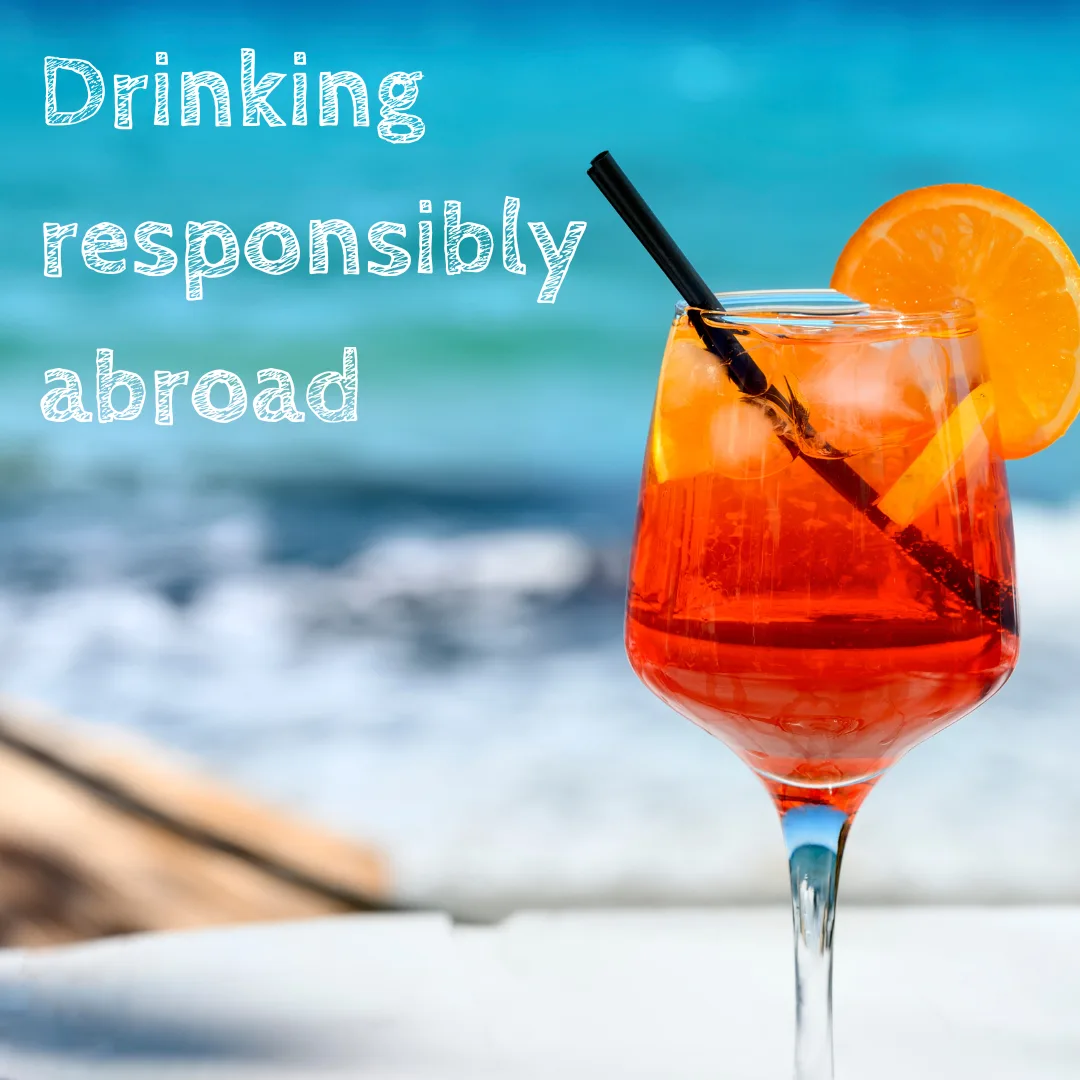
Most of us enjoy a drink every now and then and this is no exception when we’re relaxing in the sun on holiday with our friends and family. Whilst it’s important to immerse ourselves in new places and cultures, it’s also important to drink responsibly abroad. Cocktails on sandy beaches may be tempting, but you should approach alcohol with the same care you would at home.
When in unfamiliar environments, it's easy to overlook the importance of responsible drinking. This can lead to accidents and medical emergencies. Did you know that an incident related to drinking alcohol abroad could void your travel insurance claim? This may be evidenced by a medical practitioner stating that your alcohol consumption caused or actively contributed to your injury or illness. It may also be evidenced by the results of a blood test showing that your blood alcohol level exceeds 0.19%, which is approximately 2.5 times the drink-driving limit in the UK. A witness report from a 3rd party or a police incident report. Your own admission.
It’s a scary thought and has left many in the past having to pay more than the actual cost of their holiday on medical bills! So, we’d like to share with you some useful information for remaining safe when drinking alcohol abroad and ways to drink responsibly.
Understanding local laws and regulations
Whenever we visit a new country it’s appropriate and respectful to do our research to learn the local rules, laws and customs, especially when it comes to drinking alcohol. Certain countries may have laws when it comes to drinking alcohol in public places, only allow the buying and selling of alcohol in licenced venues, times that the selling of alcohol is permitted and different legal drinking ages to our own. So, it’s important to make sure you understand the rules and customs around drinking alcohol for your next trip away. Here are a few popular destinations and their views around drinking alcohol that many travellers may not know about:
France: Drinking alcohol in public is generally legal in France. However, cities like Paris restrict public drinking near monuments and tourist hotspots.
Sweden: Public drinking is heavily regulated, with restrictions on where alcohol can be consumed and age limits varying by beverage. Sweden generally prohibits drinking in streets, parks, and public squares. Alcohol is usually limited to licensed venues or private property.
Australia: Public drinking laws vary by state and territory in Australia. Public drinking is generally allowed in some parks and picnic areas, but restrictions may apply on streets and beaches.
Spain: A recent rule change affects drinking alcohol abroad. The Balearic Islands Government has introduced tougher alcohol restrictions to reduce over-consumption in tourist hotspots. This new ban on late night drinking of alcohol in public places, started on the 11th May 2024. Authorities will fine people who drink alcohol outside authorised areas of between €500 and €1,500. If you’re heading to one of the party islands this summer, make sure you’re aware of this!
Cultural sensitivities
We’ve mentioned about understanding the local laws and regulations when visiting a new country, but it’s also important to understand the cultural differences between our country and others when it comes to their stance on drinking alcohol. Many cultures consider drinking alcohol disrespectful, and in some countries, it is illegal and can lead to punishments such as fines, imprisonment or even deportation for foreigners. Here are some of the most notable:
United Arab Emirates (UAE): Over the past few years the UAE has become a popular holiday destination for influencers and families alike. Although licensed venues can serve alcohol in the UAE, drinking in non-designated areas and public intoxication can result in penalties.
Maldives: Resort islands and certain tourist areas allow alcohol consumption, but residential areas strictly prohibit it. Breaking alcohol laws can result in fines, imprisonment, or deportation for foreigners. So, if the Maldives is on your bucket list or you’re jetting off there for a honeymoon, remember to drink responsibly.
Japan: Drinking alcohol in public is generally legal. However, many people view drinking near temples, shrines, or residential neighbourhoods as disrespectful, especially if you appear visibly drunk. Some cities may have local authorities prohibiting public drinking in specific locations.
Health considerations when drinking alcohol
As fun as having some drinks on holiday is, it’s still important to consider our health and the effects alcohol can have on our bodies. Failing to drink responsibly and take necessary safety steps can lead to negative health impacts and medical care while away.
Hydration and heat: Alcohol increases dehydration risk. Hotter climates than usual can worsen this and lead to serious consequences. Among these consequences are dizziness, muscle cramps and spasms, increased heart rate, impaired cognitive function, heat stroke and alcohol poisoning. If you required medical care as a result of alcohol leading to any of these symptoms, you risk your travel insurance not being valid. Make sure to drink water regularly when abroad and in between alcoholic drinks, as well avoiding too much sun exposure.
Alcohol and altitude: You may not know that alcohol can have a quicker and more powerful effect when consumed at higher altitudes. This is due to lower oxygen levels. If you plan to start your holiday with drinks on the plane, this is important to consider. It also matters for winter ski trips at high altitudes. Some useful tips are to acclimatise yourself slowly and limit your intake.
Quality and safety of local alcohol: Some countries produce alcohol that does not meet the safety standards we expect at home. There is a risk of consuming counterfeit or contaminated alcohol, which can lead to serious health issues. Make sure to stick to reputable alcoholic brands when abroad and be wary of unsealed bottles.
Safe drinking practices
Moderation is key: Drinking in moderation helps you stay in control. It also reduces the risk of accidents, illness, and legal problems. Remember drinking in different climates can increase the impact of alcohol on your body and lead to you getting drunk quicker.
Know your limits: Each person is different and their bodies will react differently to alcohol. Don’t try to compete with friends or keep up with the drinking habits of others. Additionally, look for signs of intoxication in yourself and others. These include slurred speech, poor coordination, nausea, increased risk-taking, and poor decision-making.
Be aware of drink spiking: Unfortunately, drink spiking happens regularly, and being abroad can make you easier to target. Never leave drinks unattended and only accept drinks from trusted sources like family. It's also important to keep your drink covered where possible.
Dealing with emergencies
Emergency contacts: Knowing who to contact in an emergency can be crucial for your safety and wellbeing. Before your trip, find local emergency numbers for police, ambulance, and fire services in your destination country. Also, save contact numbers for everyone you’re travelling with in case you get separated or need help.
Travel insurance: Ensure you have taken out travel insurance before your trip to help protect you against many unforeseen events when abroad and contact your insurer immediately if you encounter any problems such as a medical emergency. Your travel insurance provider will most likely have a 24/7 emergency assistance contact so make a note of this.
Recognising signs of alcohol poisoning: Knowing the signs of alcohol poisoning can help save lives. If someone is showing symptoms such as confusion, vomiting, seizures and slow or irregular breathing, call the emergency services immediately.
Impact of quitting drinking too quickly
Being responsible with alcohol abroad is not only important when it comes to consumption, but also when it comes to the impact it can have on our bodies when we quit drinking. If someone is heavily reliant on alcohol in their daily lives and decides to cut it out too suddenly, this can put a toll on our health. If you make this decision before or during a trip, these adverse effects may require medical care while travelling.
Withdrawal symptoms: Heavy drinkers may experience withdrawal symptoms when they abruptly stop drinking alcohol. These symptoms can range from mild to severe and may include tremors, anxiety, nausea, sweating, and even seizures in extreme cases. If alcohol withdrawal symptoms occur whilst abroad and result in you needing medical care, there’s a possibility that your travel insurance won’t cover the costs. Additionally, you must declare any medications for alcohol dependence before your trip.
Physical health issues: Chronic alcohol consumption strains the body and causes health problems such as liver disease and cardiovascular issues. Stopping alcohol suddenly may worsen these conditions before improvement occurs, so you must declare them on your travel insurance policy.
Mental health: Alcohol dependence often co-occurs with mental health conditions such as depression, anxiety, and stress disorders. Stopping alcohol consumption can trigger or worsen these mental health issues. All mental health conditions must be declared when taking out a policy for them to be covered on your travel insurance.
Drinking responsibly while travelling
While it may seem like there are many rules around drinking abroad, it’s perfectly fine to let your hair down, enjoy yourself, and have a drink during your travels. The key is to do so with caution and responsibility. By understanding your travel insurance policy such as not allowing alcohol consumption to cause or actively contribute to your injury or illness or not allowing your blood alcohol level top exceed 0.19% (2.5 times the drink driving limit in the UK), drinking in moderation, and making wise decisions, you can help to ensure your safety and avoid complications with your insurance coverage. After all, no one wants to deal with a hangover and medical bills to pay. Remember, a little awareness and preparation can go a long way in making your trip enjoyable and worry-free. Click here to get a quote for your next trip abroad. Cheers to a safe and memorable holiday!