August Bank Holiday City Breaks in Europe: Discover Culture in Every City
The August bank holiday is one of the best moments in the year for bank holiday city breaks across Europe. For this reason, cities across Europe feel active but balanced, with cultural events, open-air performances, and historic districts that are easier to explore over a long weekend.
These bank holiday city breaks are for adventure-minded travellers who want to combine history, architecture, and immersive local culture. Europe offers a wide mix of destinations that work well for a three to four-day trip filled with discovery on foot, by bike, or through guided cultural experiences.
With warm weather, long daylight hours and lively cultural calendars, August is one of the best times to experience Europe's cities at their most vibrant.
Below are some of the best options for culture-focused city breaks that are safe, accessible, and ideal for August travel.
Why Choose Bank Holiday City Breaks in Europe?
Planning bank holiday city breaks in Europe gives you access to some of the busiest cultural calendars of the year. Many cities host outdoor concerts, street festivals and seasonal exhibitions that take place in public squares and historic areas.
However, while popular cities can be busy, early mornings and evenings offer a more relaxed and adventurous way to explore historic districts, riverside routes, and elevated viewpoints that reveal a different side of each destination.
Lisbon, Portugal
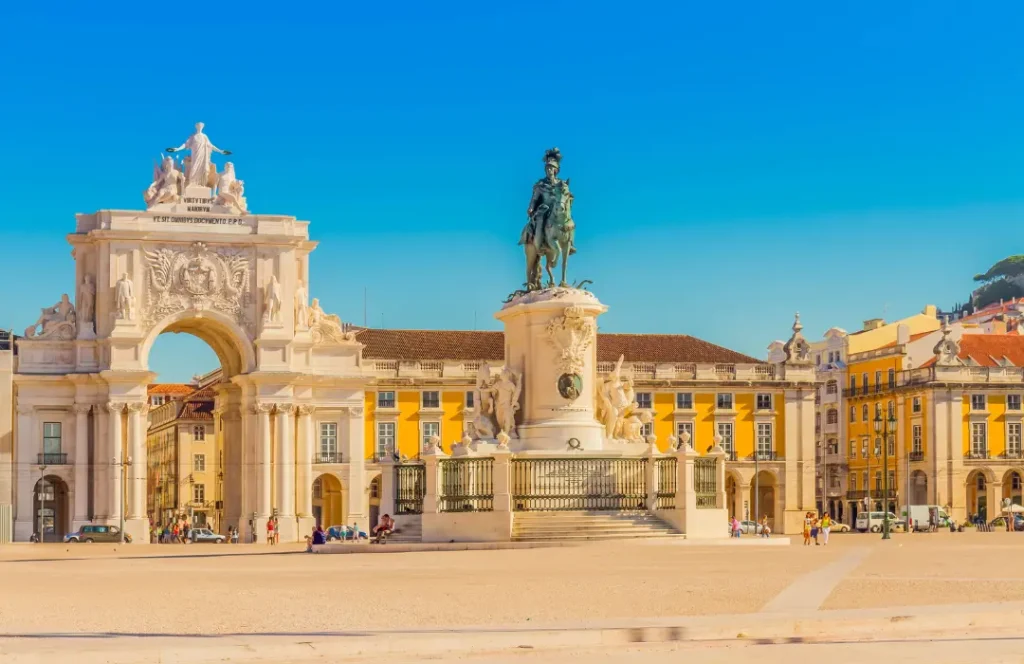
Lisbon is home to hills, scenic viewpoints, and historic neighbourhoods. The Alfama district is one of the oldest parts of the city, where narrow streets lead to traditional Fado music venues and small local cafés.
The Belém area brings a different layer of history, with landmarks such as the Jerónimos Monastery and Belém Tower, both UNESCO-listed. For modern culture, the MAAT museum offers exhibitions focused on architecture and contemporary design.
You can find out more about visiting the city through the official Visit Lisbon website, which includes cultural events, neighbourhood guides, and seasonal highlights.
Kraków, Poland
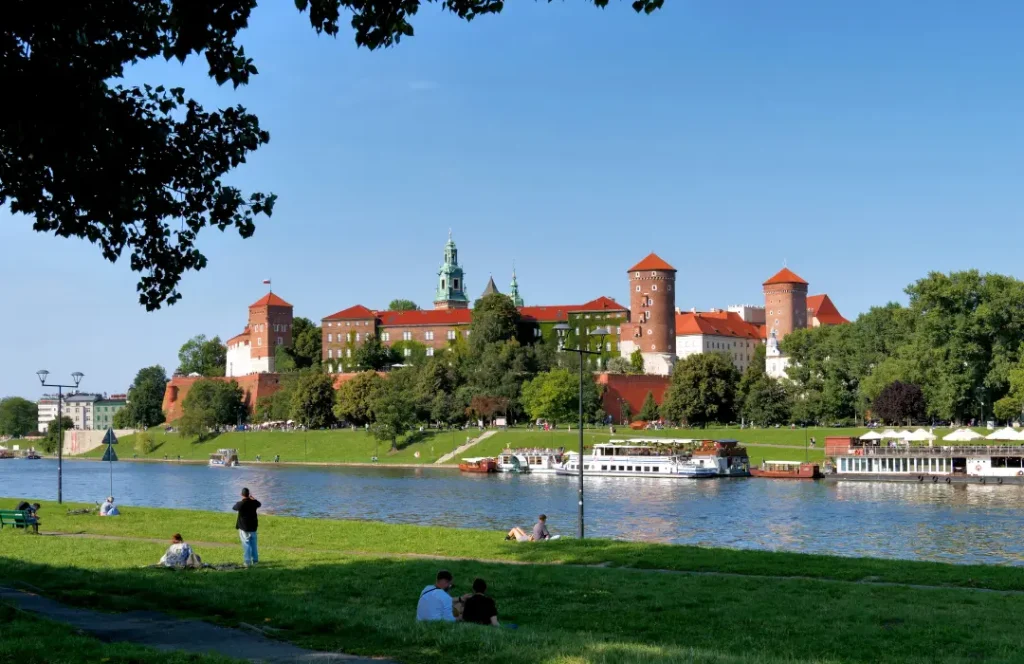
Kraków’s Old Town is one of the best-preserved medieval centres in Europe. The Main Market Square features historic buildings, while St. Mary’s Basilica and Wawel Castle highlight the city’s long royal history.
Kazimierz, the former Jewish Quarter, is now a cultural district with museums, galleries, and independent cafés that reflect both history and modern life. Summer often includes open-air concerts and cultural festivals across the city.
For more information on heritage sites and cultural programmes, explore the official Kraków Travel site.
Florence, Italy
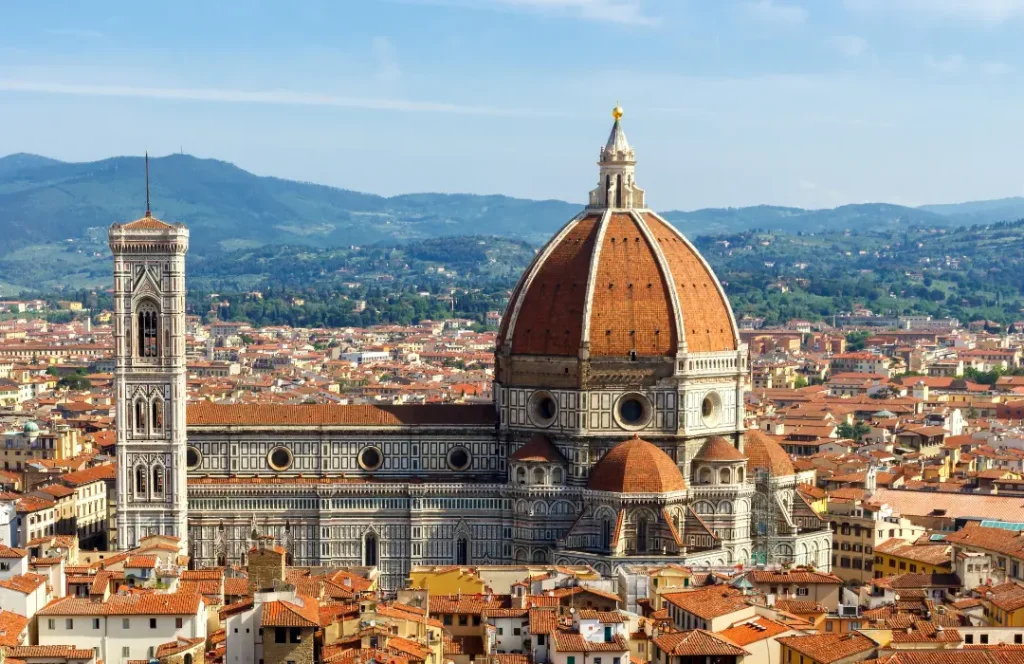
Florence showcases world-famous Renaissance art, architecture, and walkable historic streets. The Duomo dominates the skyline, while Piazza della Signoria brings together sculpture, history, and public life.
The Uffizi Gallery and Accademia showcase some of Europe’s most important art collections, while the Oltrarno district offers a more creative, artisan-led side of the city.
Explore exhibitions, walking routes, and cultural experiences via Florence Tourism.
Ghent, Belgium
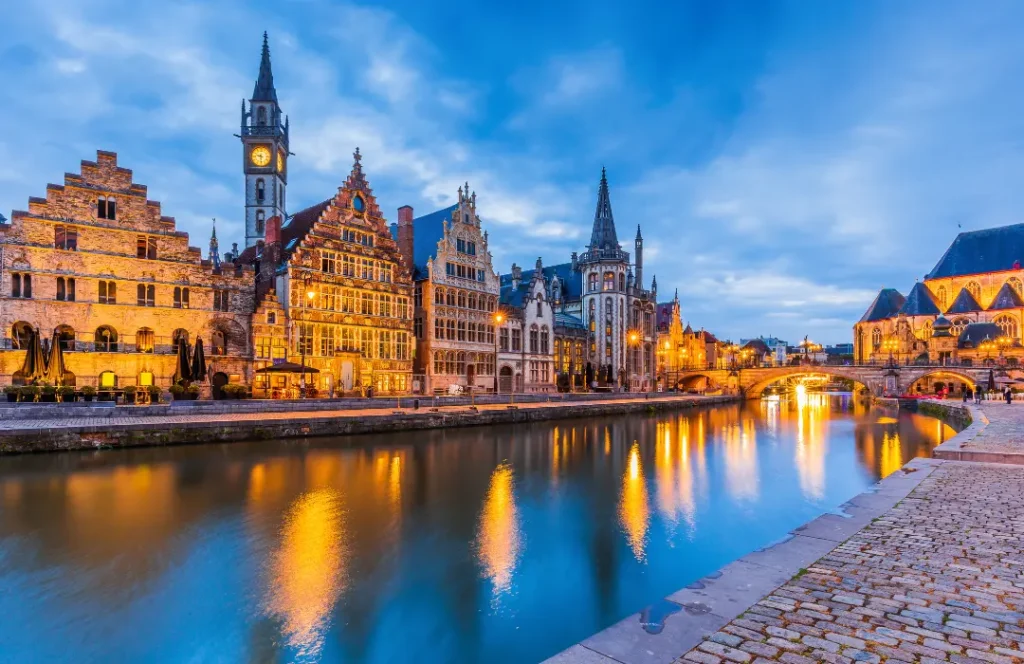
Ghent combines medieval architecture with a strong cultural scene. Gravensteen Castle sits in the city centre, while St Bavo’s Cathedral houses the famous Ghent Altarpiece.
Historic buildings line the canals, and the city regularly hosts summer cultural events including art installations and music performances in open public spaces.
For seasonal events and cultural highlights, explore the official Visit Ghent site.
Valencia, Spain
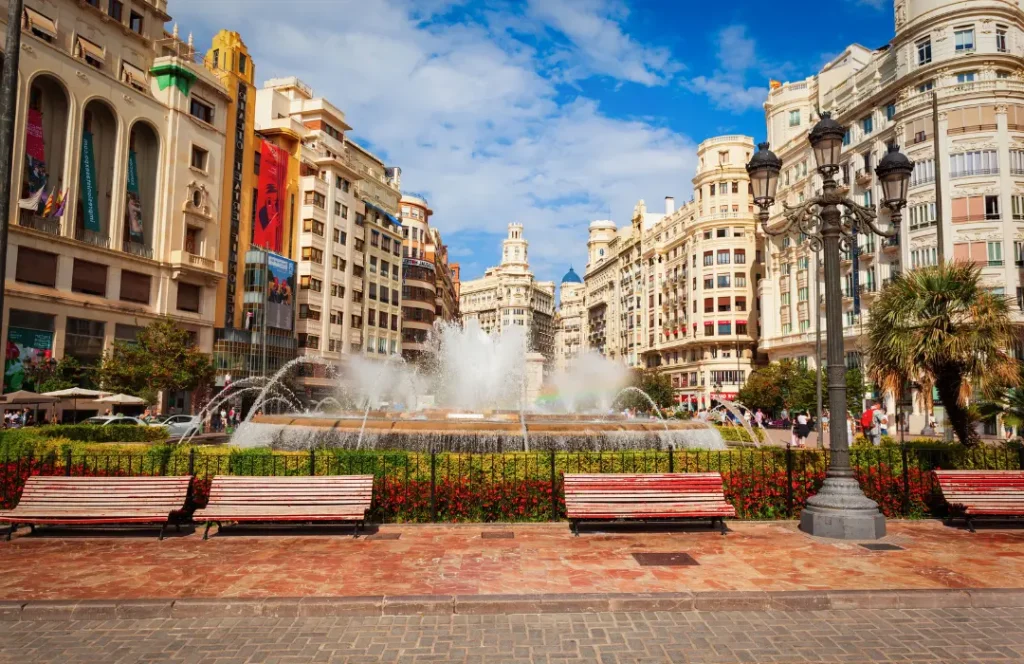
Valencia offers a mix of old and modern culture. The historic centre includes Valencia Cathedral and the Central Market, both key parts of the city’s identity.
The City of Arts and Sciences provides a modern contrast, showcasing science, architecture, and interactive exhibitions. The Turia Gardens connect many cultural areas, making it easy to explore the city on foot or by bike.
You can explore exhibitions, routes, and events via the official Visit Valencia website.
Prague, Czech Republic
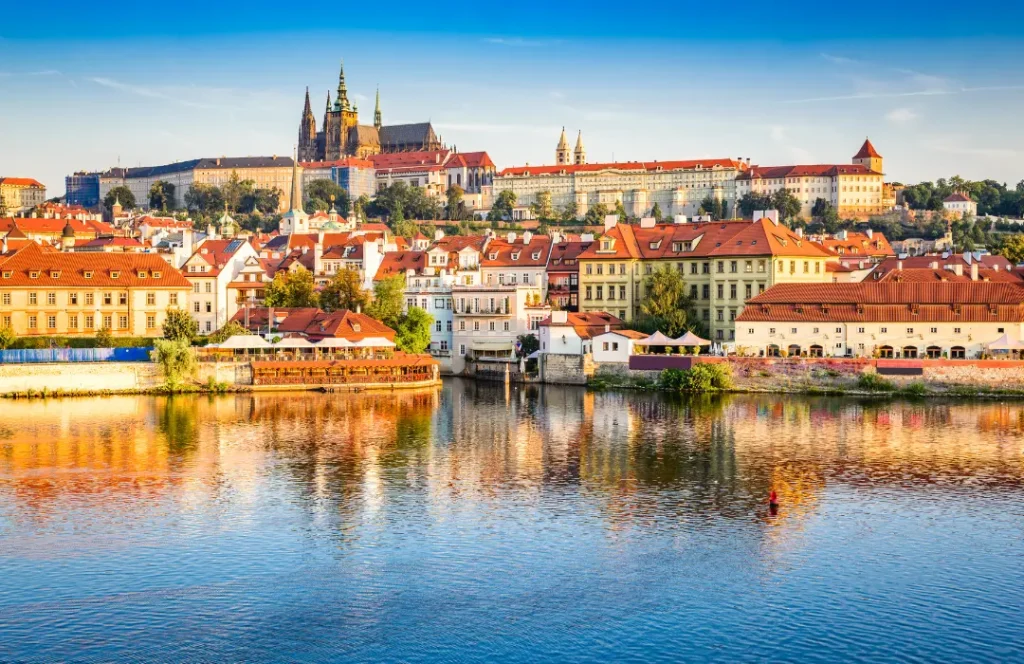
Prague is a city of bridges, towers, and layered history. The Old Town Square is home to the Astronomical Clock and Gothic churches, while Prague Castle overlooks the entire city.
The Vltava River adds a scenic route through the city, with walking paths and boat tours offering a different perspective of its architecture and cultural districts.
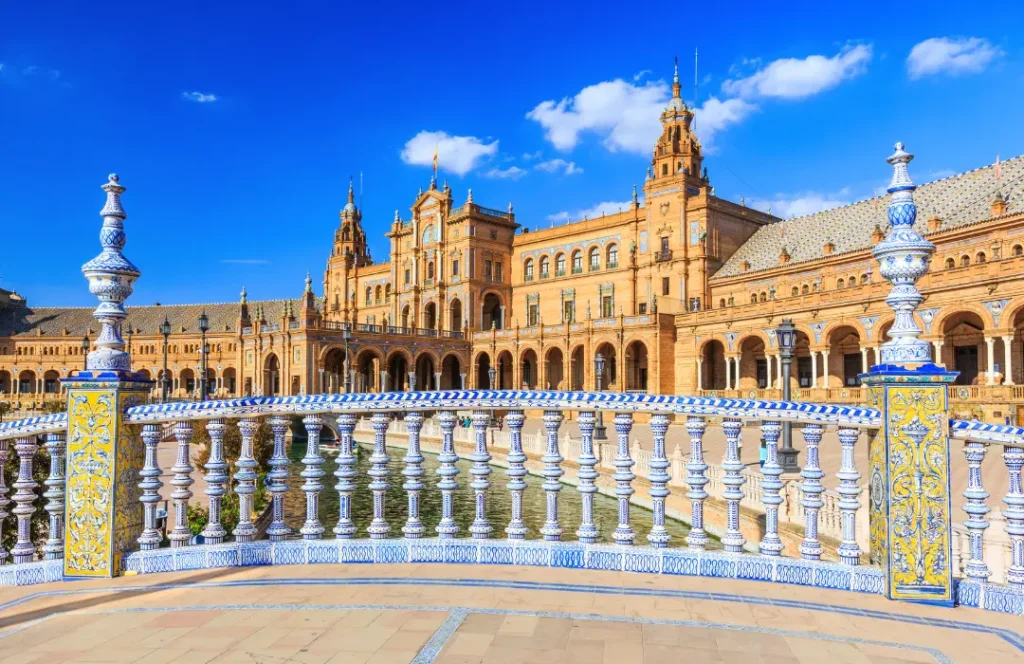
Seville reflects centuries of Moorish and Spanish history. The Real Alcázar is a major cultural landmark with detailed architecture and historic gardens.
The Seville Cathedral and Giralda Tower reflect centuries of cultural change, while flamenco remains an important part of local identity, with performances taking place across the old town.
Find more details on heritage sites and cultural events on the official Visit Seville website.
Budapest, Hungary
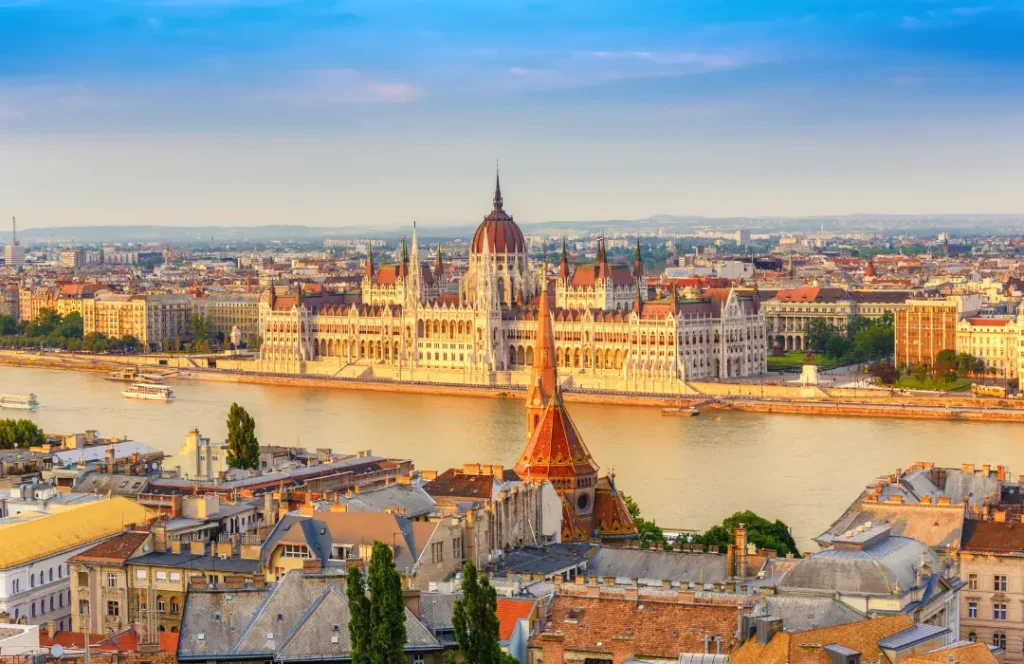
Budapest sits on the Danube River and combines grand architecture, thermal baths, and a rich cultural heritage. The Buda side offers historic hills and castles, while Pest brings lively boulevards, cafés, and cultural districts.
Landmarks such as the Hungarian Parliament Building and Buda Castle reflect the city’s imperial past, while ruin bars and riverside walks add a more modern, exploratory feel for travellers.
For cultural routes, museums, and heritage information, visit the official Budapest Info website
Riga, Latvia
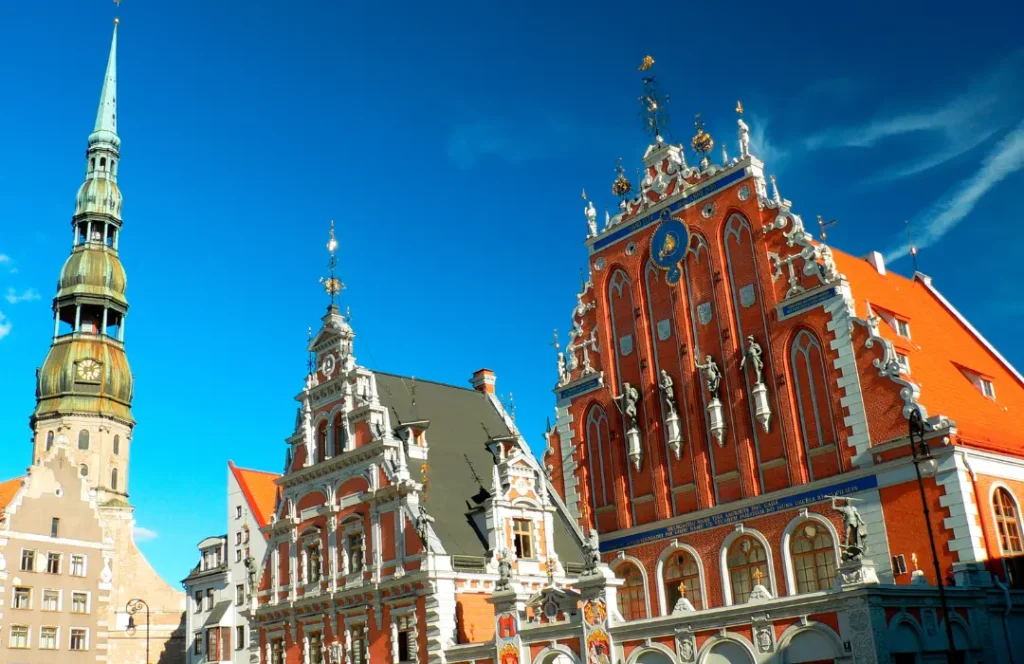
Riga is one of Europe’s strongest examples of Art Nouveau architecture. The Old Town includes cobbled streets, medieval churches, and historic guild buildings.
Cultural highlights include the Latvian National Opera and museums that explore both history and identity. Summer often brings outdoor concerts and festivals across the city.
More information on events and cultural attractions is available via Live Riga.
Vienna, Austria
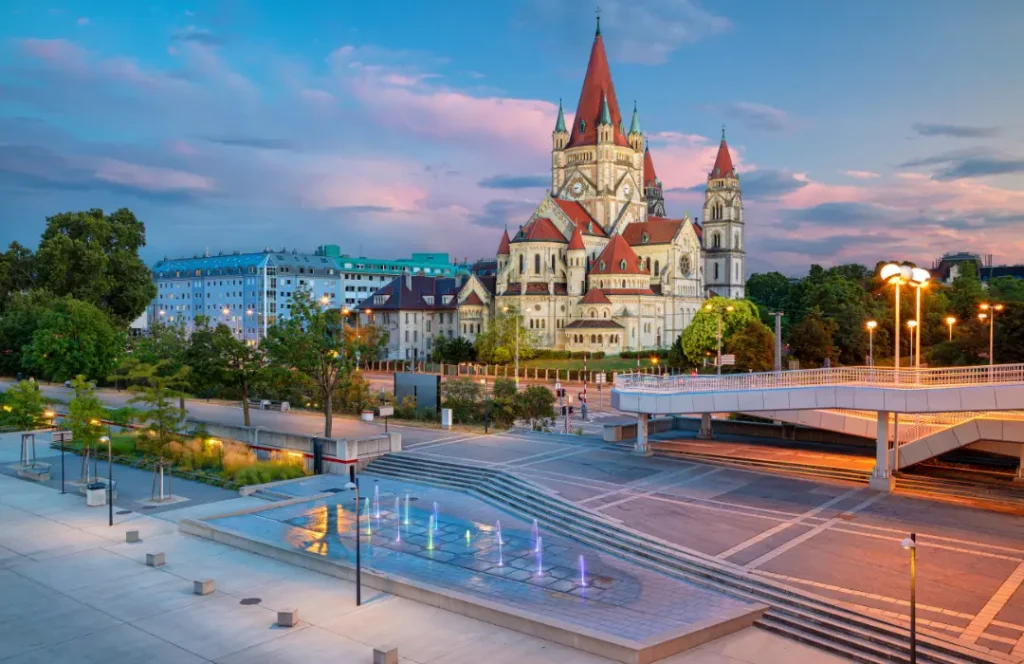
Vienna offers classical music, imperial history, and museums. The Hofburg and Schönbrunn Palaces reflect its royal past, while the Vienna State Opera remains central to its cultural life.
Museums such as the Kunsthistorisches Museum house major European art collections, and summer often includes outdoor concerts in parks and public squares.
You can explore concerts, exhibitions, and visitor guides via Vienna Tourism.
Copenhagen, Denmark
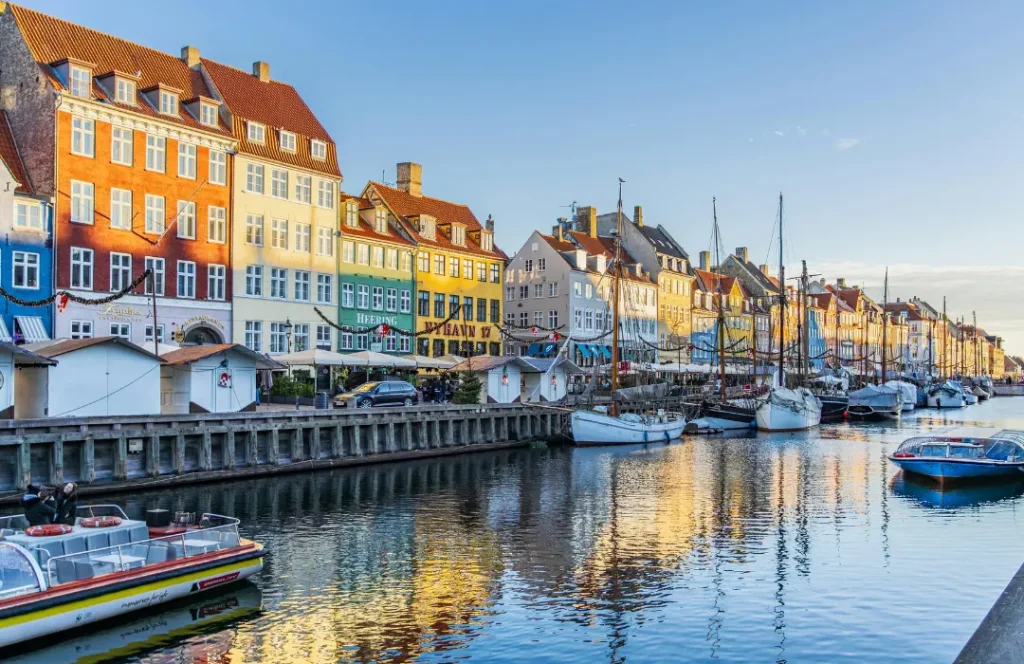
Copenhagen blends modern Scandinavian design with deep historic roots and a strong cultural scene. The colourful harbourfront of Nyhavn is one of the city’s most iconic areas, while the historic centre offers palaces, museums, and cobbled streets to explore on foot.
Copenhagen's creative districts like Vesterbro and Nørrebro showcase street art, galleries, and independent cafés that reflect a more alternative cultural side. Summer brings open-air concerts, waterfront activities, and festivals across the city.
More cultural listings and visitor information are available via Visit Copenhagen.
Marseille, France
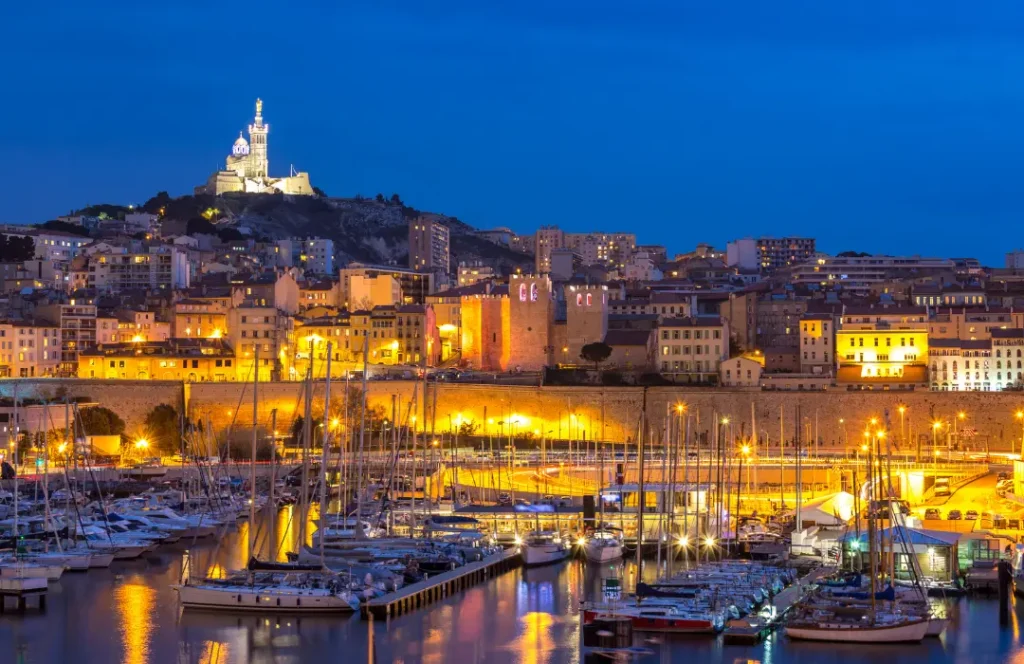
Marseille is a vibrant Mediterranean city where historic heritage meets a bold, modern cultural identity. The Vieux-Port is the heart of the city, surrounded by lively waterfront cafés and boat trips that explore the coastline and nearby calanques.
Le Panier district, the oldest part of Marseille, features colourful streets, street art, and independent galleries, while landmarks like the Basilique Notre-Dame de la Garde offer panoramic views across the city and sea.
For cultural routes, museums, and heritage information, visit Marseille Tourism.
FAQs about August bank holiday city breaks in Europe
Is August a good time for city breaks in Europe?
Yes. August offers long daylight hours, outdoor cultural events, and active city atmospheres, making it ideal for short European breaks.
How long should bank holiday city breaks be in August?
A long weekend of 3–4 days is usually enough to explore major cultural districts, museums, and historic areas in most European cities.
What are the best cities for culture-focused city breaks in Europe?
Lisbon, Kraków, Vienna, Seville and Budapest are among the most popular cities for culture-focused bank holiday city breaks in Europe. Each destination offers a mix of history, architecture, museums and seasonal summer events, making them ideal for a short city break in August.
Do I need travel insurance for European city breaks?
Yes. Travel insurance helps cover unexpected events such as delays, medical treatment, or lost belongings during your trip. If you’re travelling within Europe, find out more on our dedicated Europe travel insurance page.
Before you travel this August bank holiday
Before heading off on your bank holiday city breaks this August, make sure you are properly prepared for healthcare cover and travel protection.